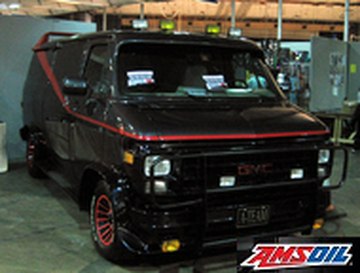
Maintenance Guidance for the 1983 Gmc Trucks G2500 HD VAN 5.7L
Maintaining a vehicle like the 1983 Gmc Trucks G2500 HD VAN requires consistent attention to fluid levels and component health to ensure long-term operational stability. Because this vehicle relies on specific fluid chemistries for its various systems, following manufacturer-recommended maintenance schedules is essential for preserving the mechanical integrity of the engine and drivetrain.
What transmission fluid does my 1983 Gmc Trucks G2500 HD VAN 5.7L take?
For the transmission system in this vehicle, the following products are listed: ATFPK-EA (Signature Series Multi-Vehicle Synthetic Automatic Transmission Fluid), OTFQT-EA (OE Multi-Vehicle Synthetic Automatic Transmission Fluid), ATD1G-EA (Torque-Drive® Synthetic Automatic Transmission Fluid), ATLPK-EA (Signature Series Fuel-Efficient Synthetic Automatic Transmission Fluid), and OTLQT-EA (OE Fuel-Efficient Synthetic Automatic Transmission Fluid).
Engine Oil Maintenance Fundamentals
The engine is the heart of the 5.7L power plant, and regular oil changes are a primary requirement for its upkeep. Engine oil serves multiple purposes: it lubricates moving parts to prevent metal-on-metal contact, helps clean the internal components by suspending contaminants, and assists in cooling the engine by carrying heat away from high-friction areas. To maintain proper function, you should monitor the oil level frequently using the dipstick provided in the engine bay.
When performing an oil service, it is important to ensure that any new oil meets the requirements of the vehicle. For this specific application, 10W-30 is a listed viscosity. Using the correct weight helps maintain the proper flow characteristics during both cold starts and high-temperature operation. If you notice the oil appearing excessively dark, gritty, or smelling of fuel, these can be signs that an oil change is necessary regardless of the time elapsed since your last service.
Monitoring Fluid Levels and Condition
Beyond engine oil, other fluids play critical roles in the vehicle's operation. Regularly checking transmission fluid levels and the condition of the coolant can prevent larger mechanical issues. Transmission fluid should generally be checked while the engine is running and at the temperature specified by the manufacturer to ensure an accurate reading. If the fluid appears burnt or has a dark discoloration, it may indicate that the fluid has lost its protective properties.
Checking for leaks is another vital part of routine maintenance. Inspect the ground beneath the vehicle where it is parked for any fresh spots of oil, coolant, or transmission fluid. Identifying a leak early can prevent a sudden loss of fluid that could lead to component failure while driving.
Understanding Service Intervals
Determining when to perform maintenance tasks such as oil changes, filter replacements, or fluid flushes is a key part of vehicle ownership. Because every driver's needs and environmental conditions vary, you should always follow the owner's manual or the manufacturer's official maintenance schedule for your 1983 Gmc Trucks G2500 HD VAN. These schedules are designed to provide guidance on when specific components require inspection or replacement to keep the vehicle in optimal working order.
Relying on a consistent schedule helps prevent the accumulation of sludge in the engine and ensures that filters are not becoming clogged with debris. Keeping a record of when services were performed can assist in tracking the overall health of the vehicle over time.
The Role of Filtration Systems
Filtration is essential for keeping fluids clean throughout the vehicle's systems. The engine oil filter is designed to capture microscopic particles, soot, and metal shavings that naturally occur during combustion and mechanical movement. A clogged or failing filter can restrict oil flow, which may lead to increased wear on internal engine components.
When performing an oil change, it is standard practice to replace the oil filter at the same time. This ensures that the fresh oil is not immediately contaminated by the debris trapped in the old filter. Similarly, maintaining clean air filters helps ensure the engine receives a steady supply of uncontaminated air for the combustion process.
General Vehicle Inspection Tips
A proactive approach to maintenance includes visual inspections of various non-fluid components. Checking the condition of hoses, belts, and wiring can help identify potential failures before they occur. For example, inspecting engine belts for cracks or fraying can prevent a breakdown caused by a snapped belt. Similarly, checking radiator hoses for softness or bulging can indicate that they may need replacement to prevent coolant leaks.
Regularly inspecting the battery terminals for corrosion and ensuring that all electrical connections are tight is also beneficial. A well-maintained vehicle is one where small issues are caught and addressed through routine inspections before they escalate into significant repairs.
BUYING ENGINE OIL
When you are ready to purchase oil for your vehicle, ensure you are selecting a product that matches the requirements of your engine. For this application, look for products that list 10W-30. It is helpful to check the labels on the containers to confirm they meet the necessary standards for your specific year and model. Always consult your owner's manual if you have questions regarding the specific type or grade of oil required for your engine's operation.